

How We Decide Which Awareness Days Are Worth a Social Media Post (And Which Aren’t)
By Tamika, Social Media & Content, BCB Marketing
Every month there’s a new list of “awareness days” landing in my inbox. World Sleep Day. National Tea Day. Loneliness Awareness Week. If we posted about every single one for every client, our clients’ social channels would turn into a calendar of hashtags nobody asked for, and none of it would actually move the needle for their business.
So at BCB Marketing, we don’t post about most of them. This is the actual awareness day content strategy we use across every client we work with, from Bluebird Care franchises to You Flourish Coaching and Wiggly T, and it’s the same thinking that goes into every piece of small business social media content we produce.
Who is this for?
BCB Marketing is a social media and content marketing agency. We run this exact process for every client on our books, from Bluebird Care franchises across the UK to small businesses like You Flourish Coaching and Wiggly T. If you’ve ever looked at a competitor’s awareness day post and thought “that felt a bit thin,” this is the thinking that stops our clients’ content from feeling that way.
How do we decide if an awareness day is worth a post?
Before we write a single word for any client, we ask one question: is this genuinely relevant to what they do, or are we just filling a gap in the content calendar?
If we can’t answer that honestly, the post doesn’t go up. It’s tempting to think more content is always better, but a generic “Today is National X Day, did you know these three facts?” post does nothing for the business or the audience reading it. It doesn’t help a prospective customer understand why this brand is worth their attention. It just exists, and existing isn’t a strategy.
What we’re actually looking for
When an awareness day comes up for a client, we run it through a short checklist:
Is this genuinely relevant to the audience we’re talking to?
Can it connect naturally to something the client does, without forcing it?
Is there a useful message in here for their audience?
Can we make it practically useful, not just informative?
Can we make it feel local and specific, rather than something that could apply to any brand anywhere?
Is there a better way in than simply announcing the day exists?
If most of those come back no, we leave it alone. There’s no rule that says every awareness day needs a post, and forcing one usually reads exactly like what it is, filler.
What does a “yes” actually look like in practice?
When a day does pass that test, the real work starts, because the awareness day itself is never the content. It’s the hook.
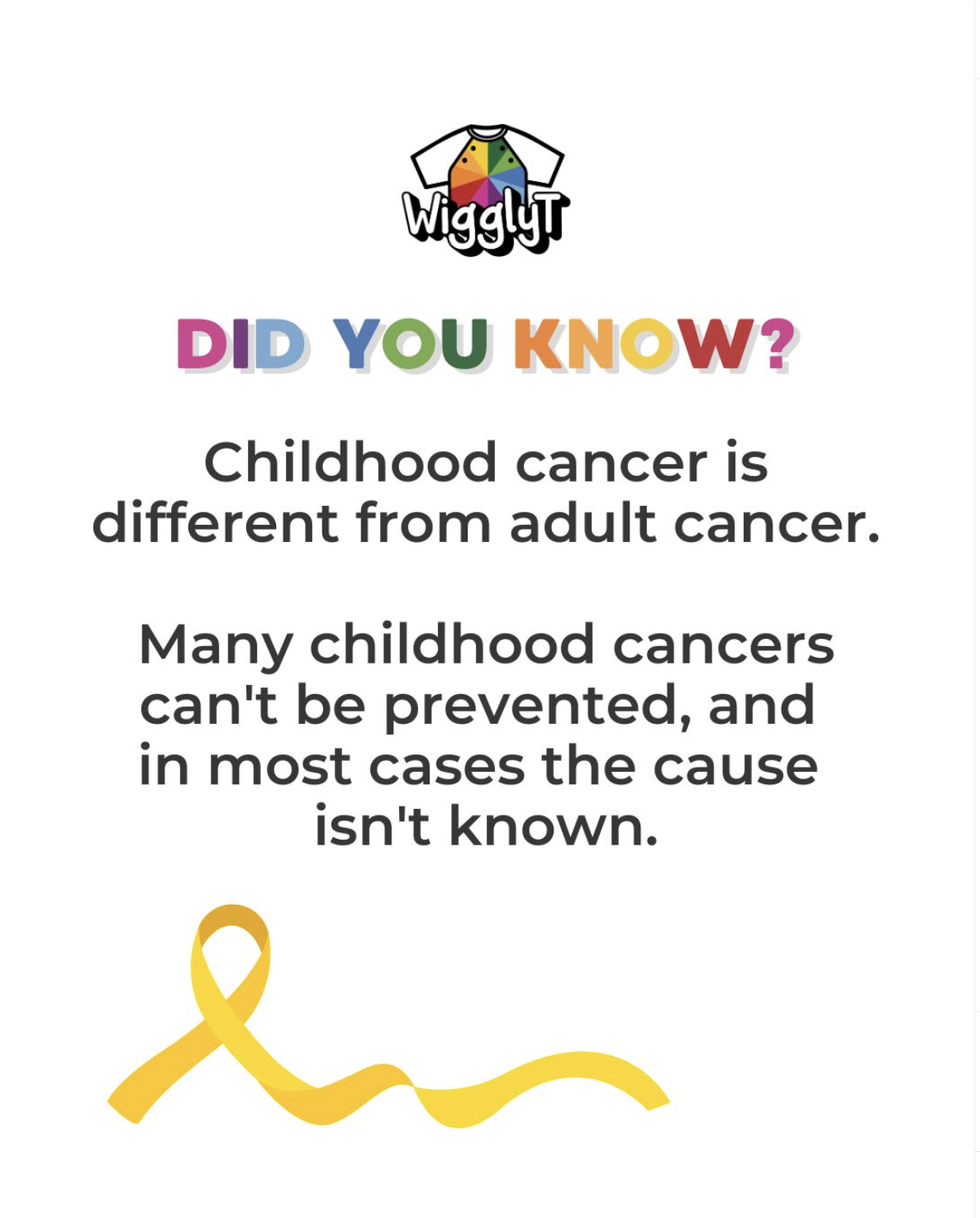
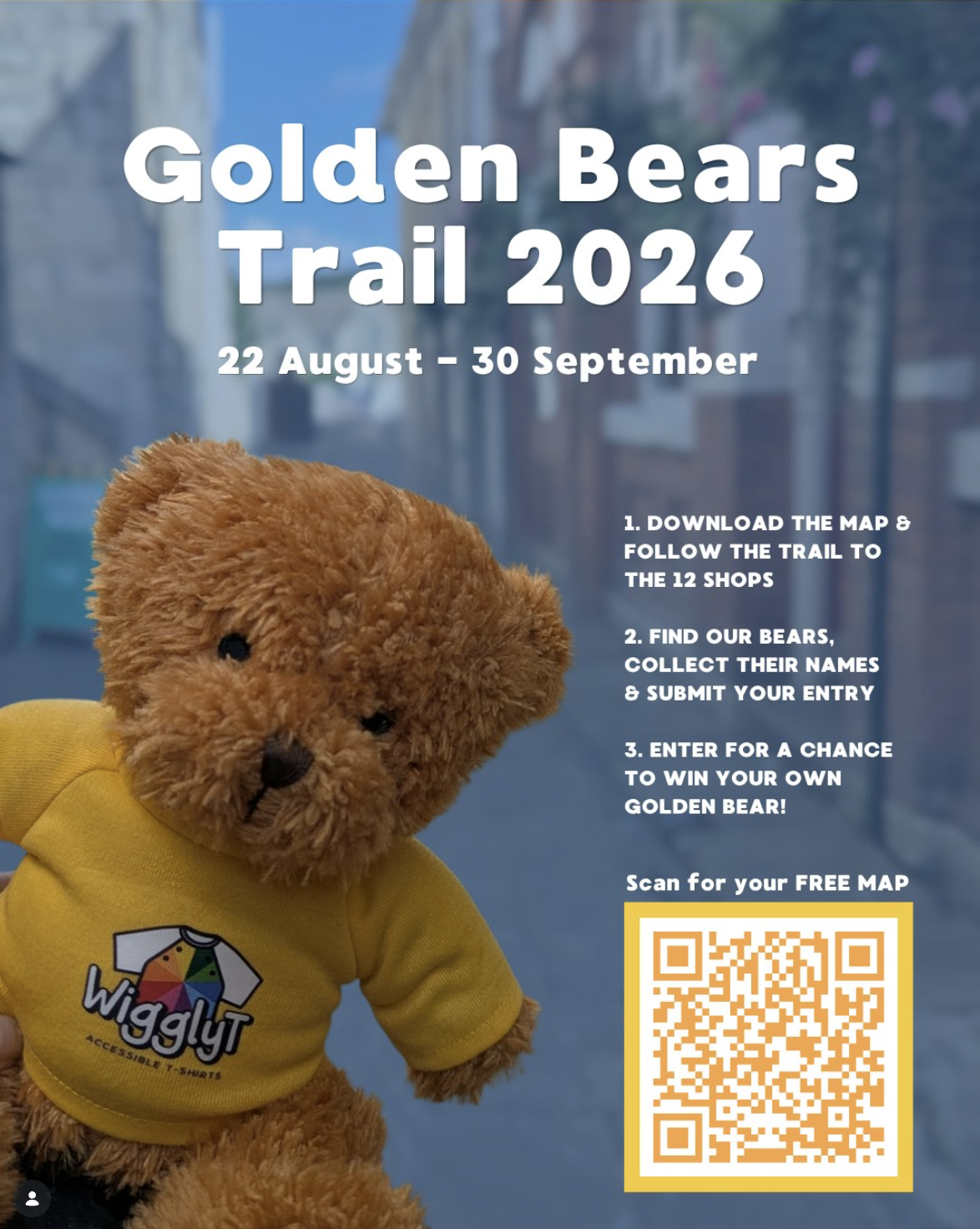
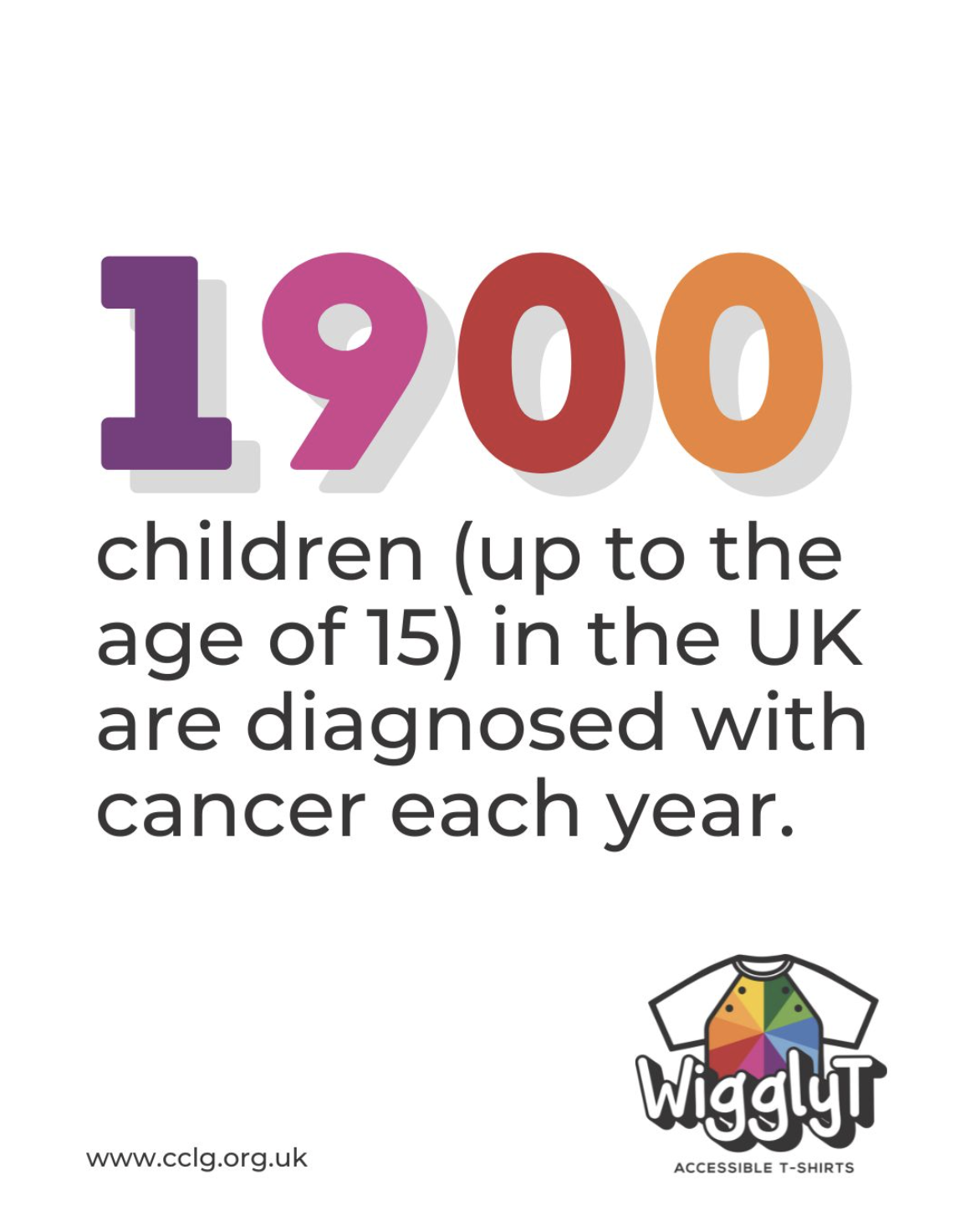
Take Wiggly T and Childhood Cancer Awareness Month. Rather than treat it as one post, we built a whole localised campaign around it. We opened with an awareness and support message, followed with a post grounding it in a real statistic (around 1,900 children aged 15 and under are diagnosed with cancer in the UK every year) and connecting it directly to what Wiggly T actually does, creating specially adapted clothing to help children feel comfortable and confident during treatment, then launched the Golden Bears Trail, a community trail running through Stroud, and used the rest of the month to bring the local community along with it. That’s the difference between marking a day and building a campaign; the trail gave people something to actually do in their own town, not just something to read.

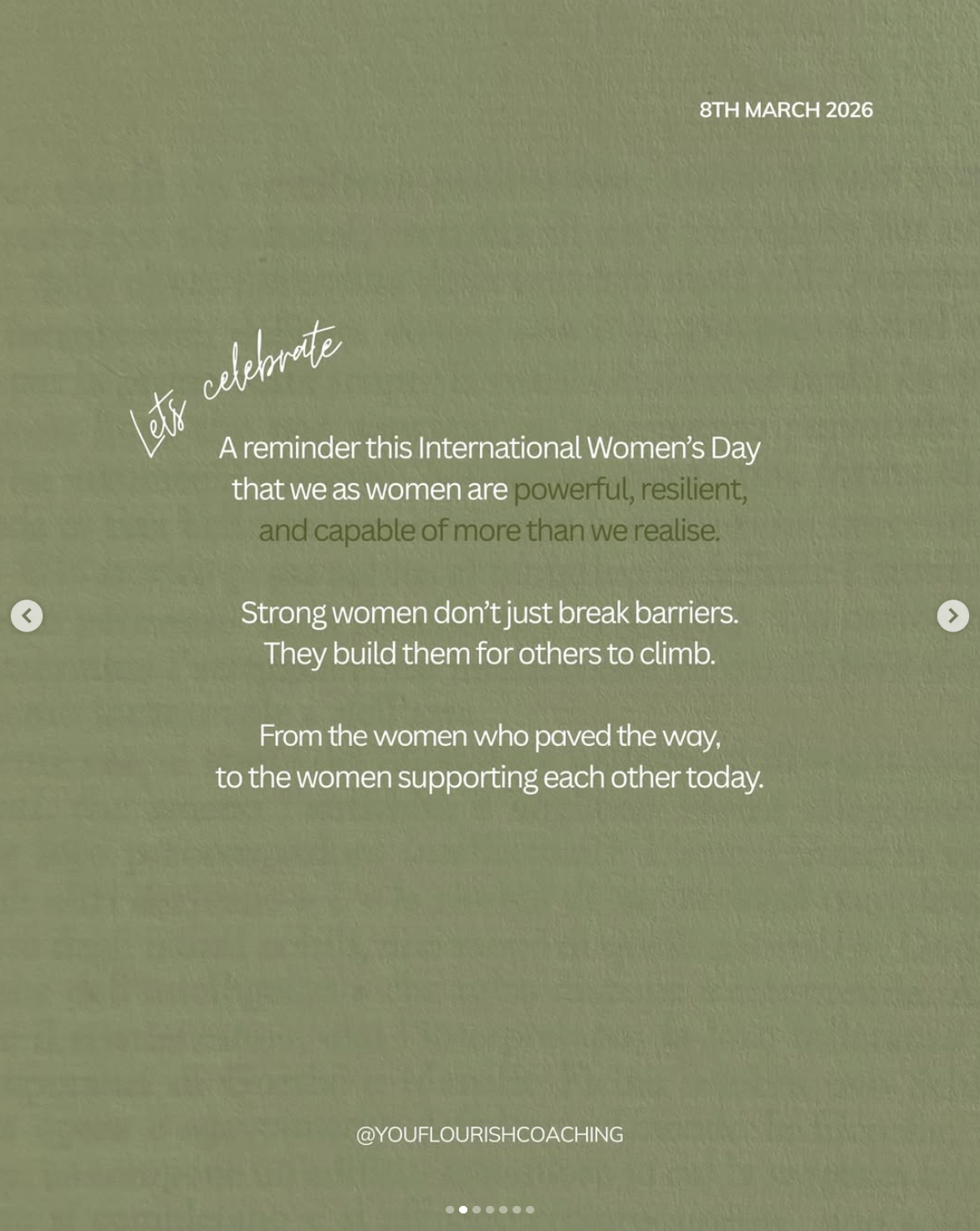
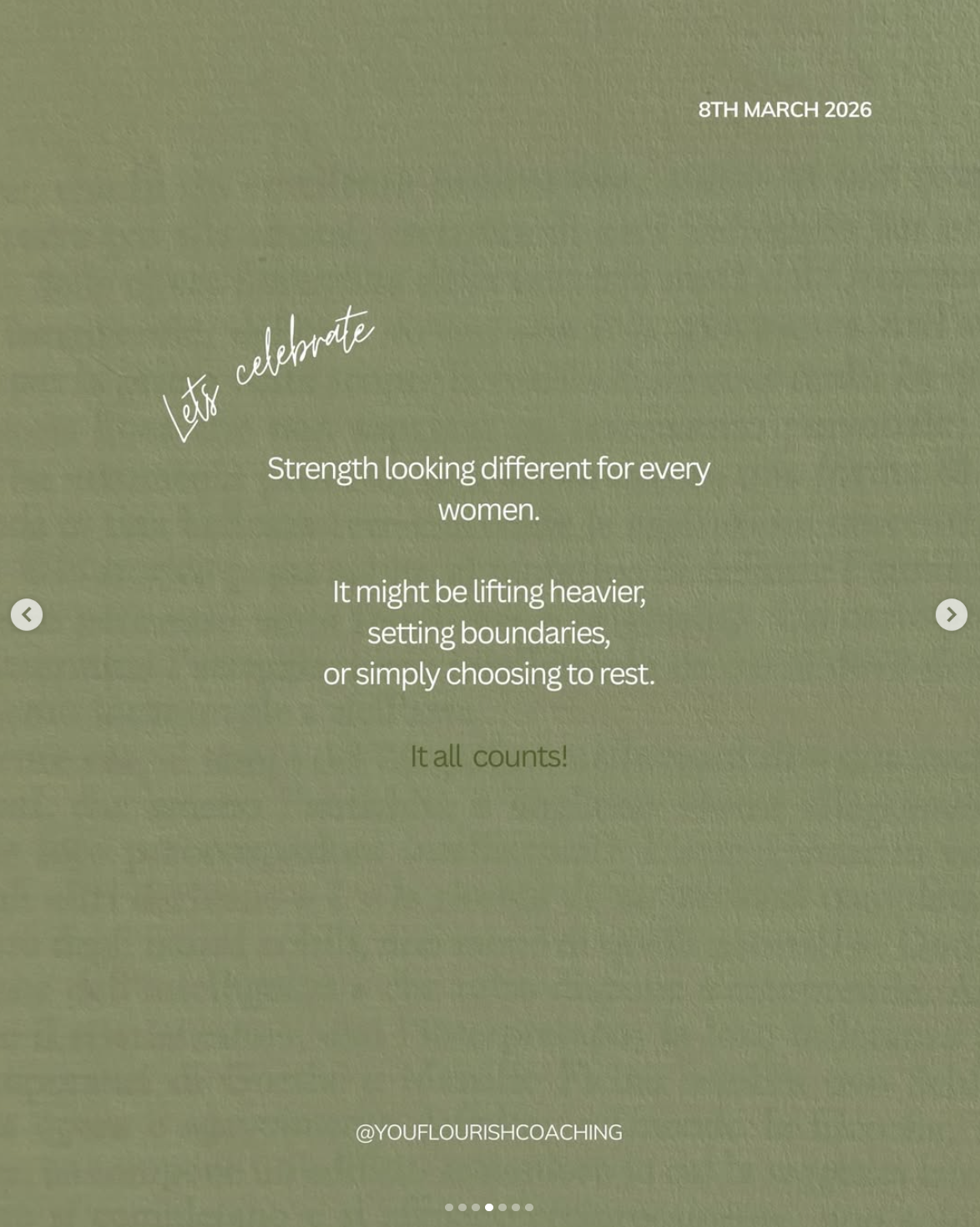
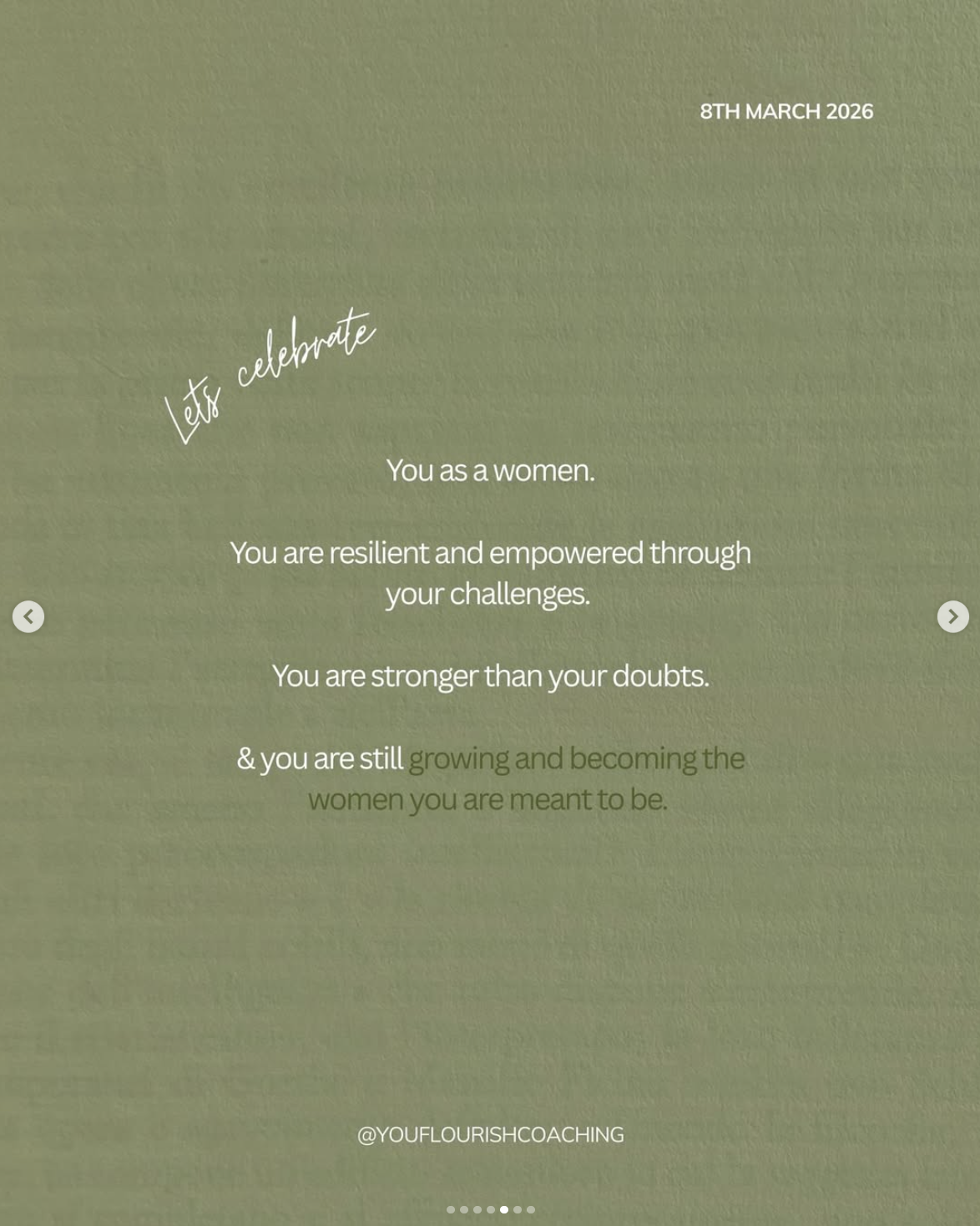
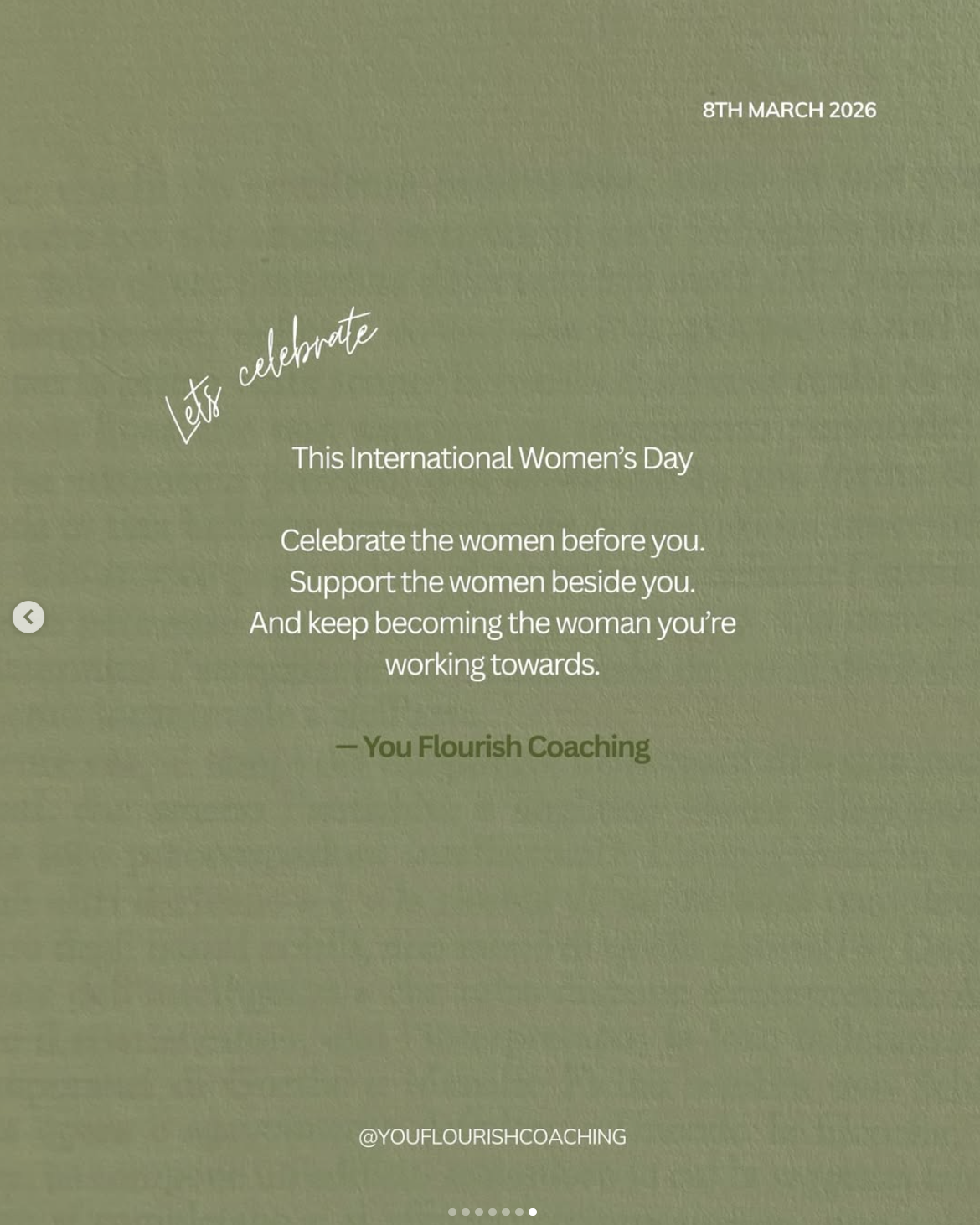
For You Flourish Coaching, the same principle looks different depending on the day. Their International Women’s Day post didn’t lead with a sales pitch; it led with a message about resilience and showing up for yourself, before connecting that naturally to what You Flourish actually believes about strength and confidence. Their May Movement Challenge worked the other way round, a genuinely useful, participation-led campaign (walk, run, cycle or hike, log it, win a prize) that turned an otherwise generic “get moving” moment into something their existing clients actually engaged with in the comments. Same brand, two different awareness moments, two different jobs for the content to do.


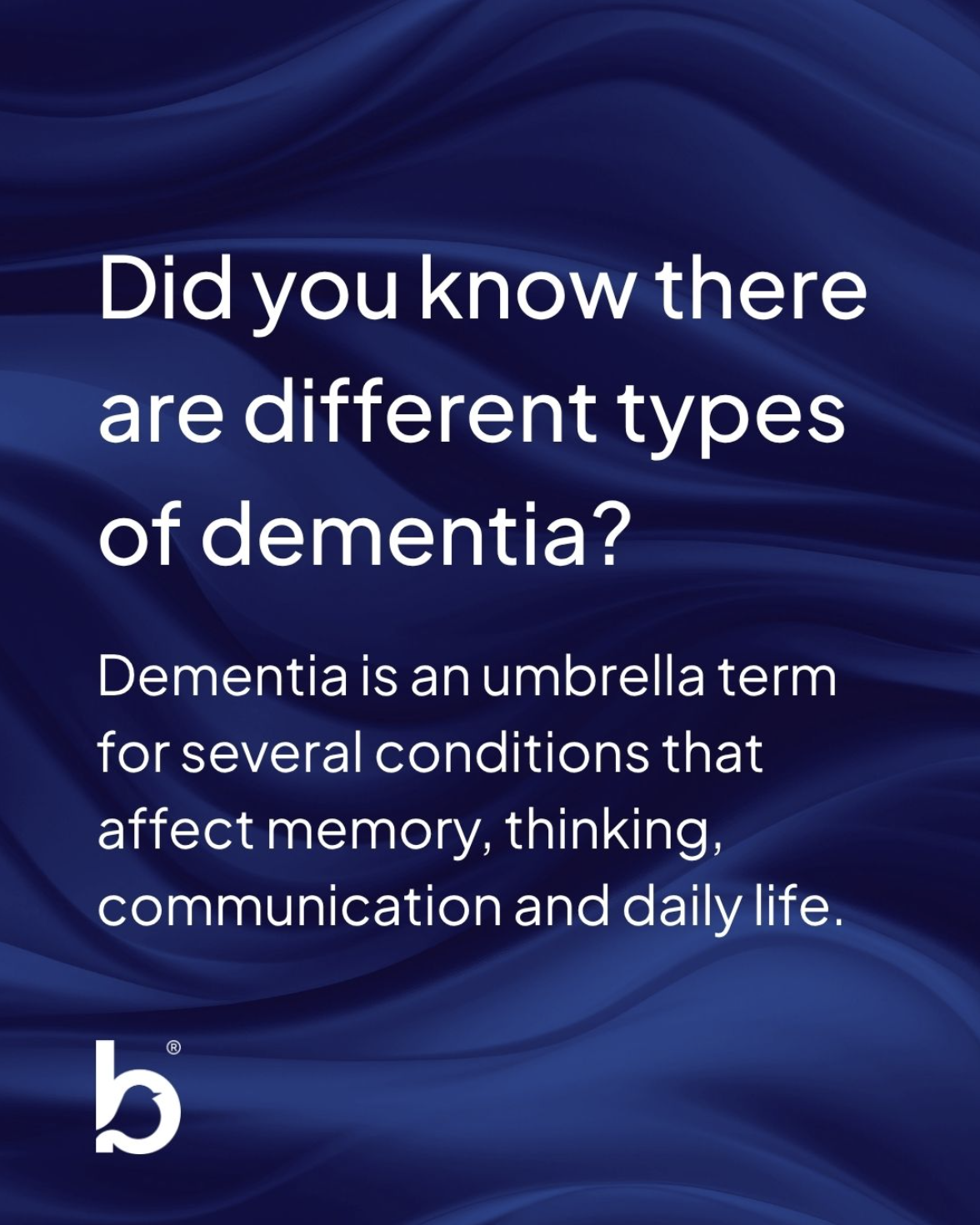
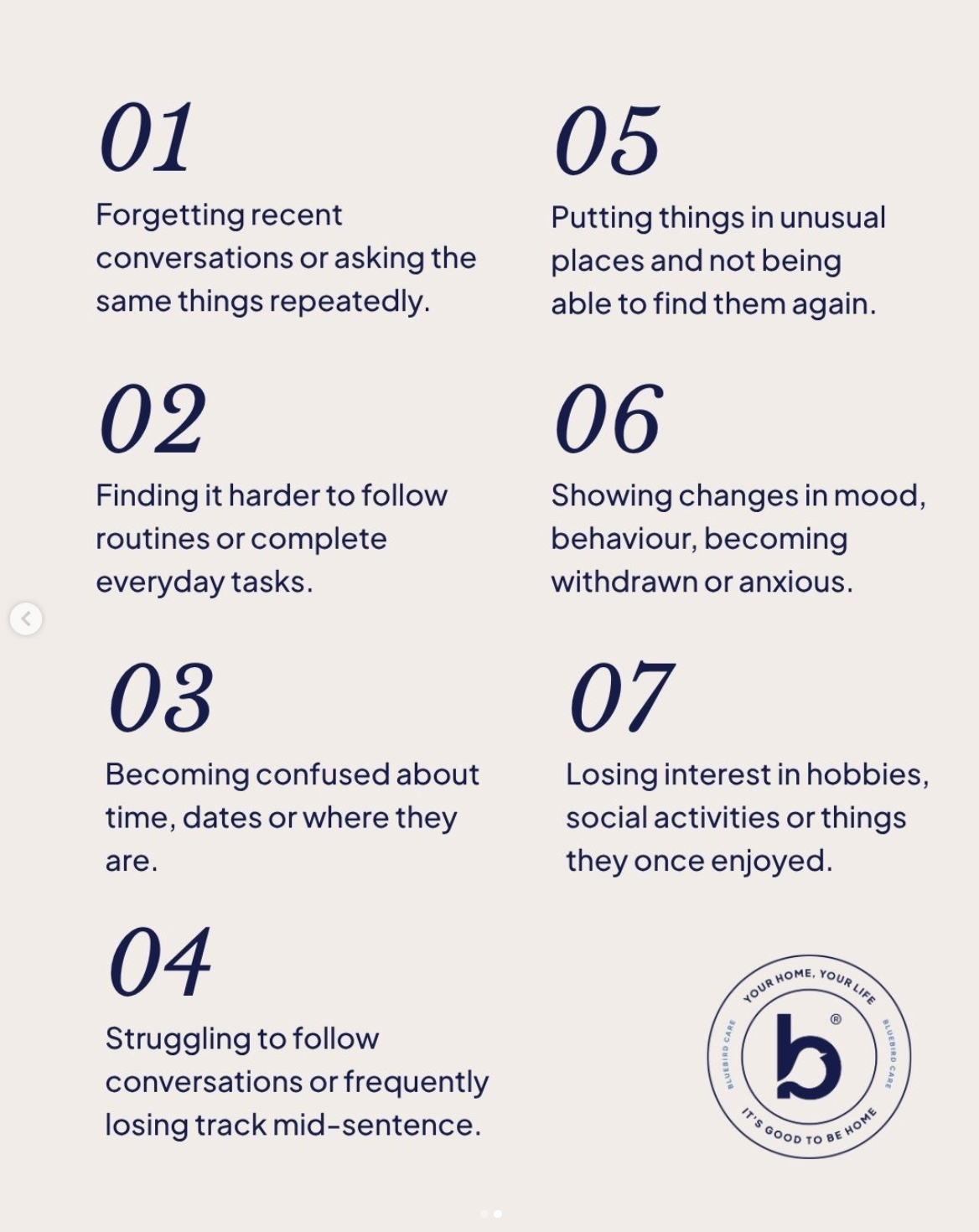
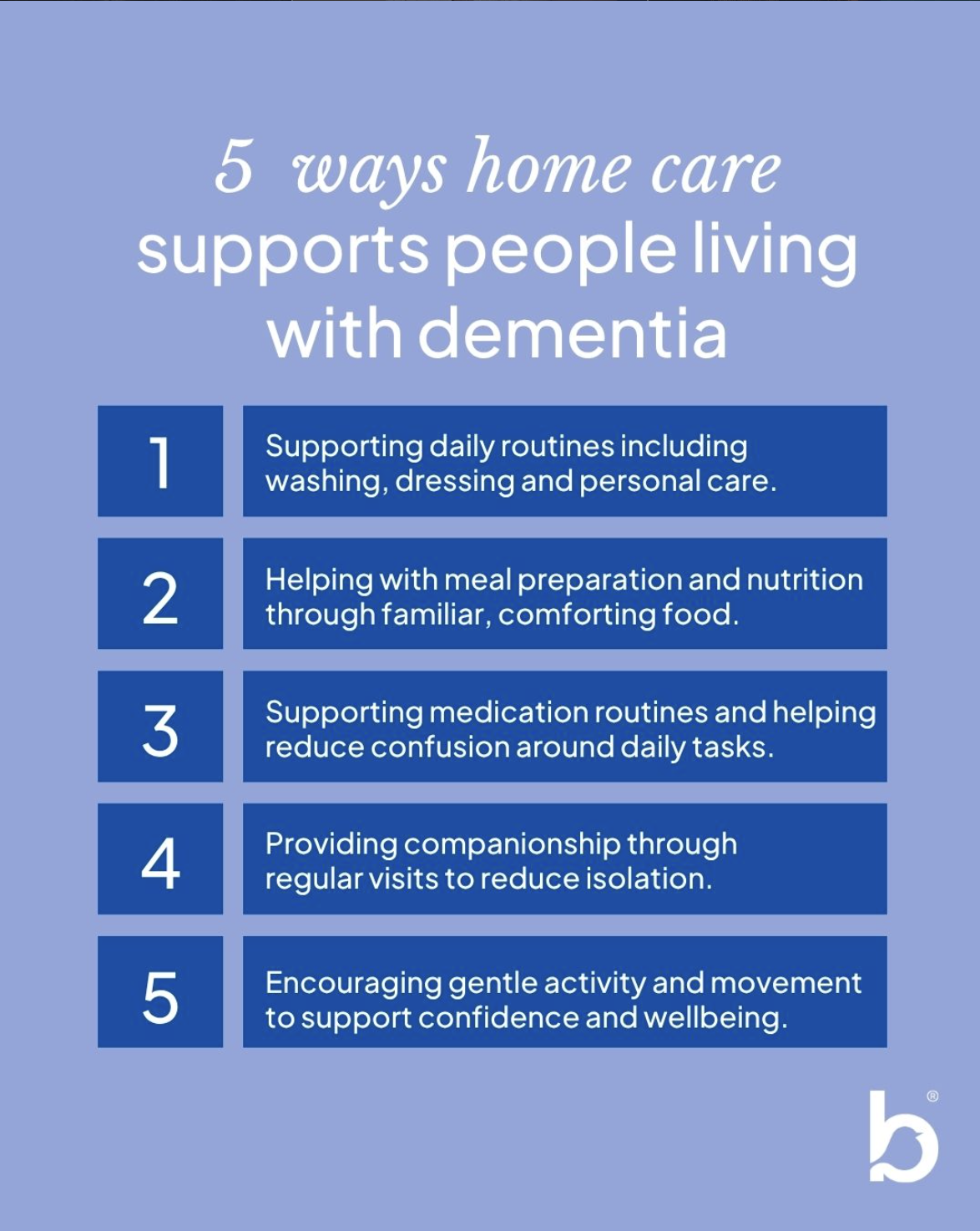
For our Bluebird Care clients, World Alzheimer’s Month works the same way. Around a million people in the UK live with a form of dementia, and one in three people born today will develop it in their lifetime (Alzheimer’s Society). Those numbers are the reason the month exists, but they’re not the post. The post is the practical bit underneath them, helping families recognise early signs in someone they love, and knowing what actually helps once dementia is part of the picture: patience, routine, and support that lets someone stay as independent as possible for as long as possible. That’s the version families actually need, not a calendar fact, a way to spot something early and know what to do next.
Why we’d rather post less, more often
We’d genuinely rather skip an awareness day for a client than post something hollow just to keep the calendar full. The moment content stops feeling like it was written by a real person who understands the business, people notice, even if they couldn’t tell you exactly why a post feels off.
The test we use on everything before it goes out: does this sound like something a real person on this brand’s team would actually say? If the answer’s no, it gets rewritten or it doesn’t go out at all.
That’s really the whole approach behind our social media content strategy. Not “how do we fill the calendar” but “what’s actually worth someone’s time today.” Most awareness days don’t clear that bar. The ones that do are usually the ones that had nothing to do with the calendar date in the first place, and everything to do with a real moment in someone’s audience’s life.
If your current social content feels like it’s filling a calendar rather than building a brand, get in touch with BCB Marketing and let’s talk about what it could look like instead.
